

The AUSL All-Star Cup is not your typical All-Star event. There is no exhibition-game feel, no fixed team allegiance and no room for players to simply enjoy the occasion.
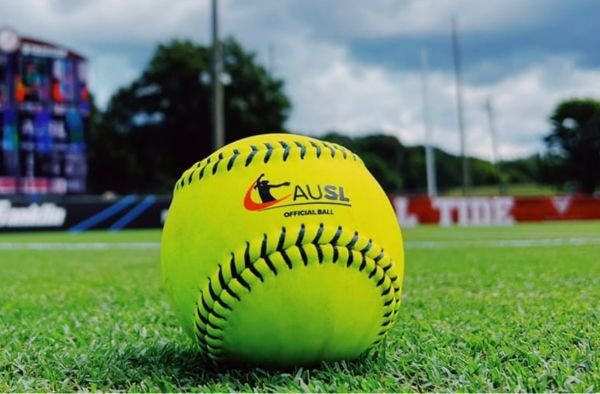
Instead, 45 of the best softball players in the Athletes Unlimited Softball League will spend the next three weeks competing for an individual championship, with teammates changing from one series to the next. That makes the 2026 edition particularly intriguing. As the AUSL enters its second season with six permanent teams and a growing national footprint, the All-Star Cup offers another opportunity to showcase the league’s biggest stars while testing the depth and adaptability of its players.
The tournament begins on August 8 at The Stadium at Parkway Bank Sports Complex in Rosemont, Illinois, and runs through August 30. Across four series and 12 games, the players will battle through an Athletes Unlimited-style points system, with the athlete finishing atop the final leaderboard crowned the All-Star Cup champion.
What is the AUSL All-Star Cup?
The concept is deliberately different from a traditional All-Star Game. The 45-player field is divided into three teams for each series. But those teams do not remain together throughout the tournament. Following each series, the leading three players on the individual leaderboard become captains and redraft their teammates. Players therefore have to prove themselves individually while also contributing to winning teams.
Points are awarded for team victories, individual plays and game MVP recognition. For example, athletes earn points when their team wins an inning or game, while offensive production such as singles, doubles, triples and home runs also contributes to their individual totals. Pitchers receive points for outs and lose points for earned runs allowed.
It creates an unusual competitive dynamic. A player cannot simply rely on being surrounded by the strongest lineup. Every at-bat, defensive play, pitching appearance and MVP vote can influence the final standings.
Who is playing?
The 2026 field brings together stars from all six AUSL teams. The Chicago Bandits, Carolina Blaze and defending champion Utah Talons lead the selection count with nine players each. Oklahoma City has seven representatives, while Portland has six and Texas has five. The roster also reflects the growing depth of professional softball. Fan voting helped bring several popular names into the competition, including Reese Atwood, Karlyn Pickens, Megan Grant, Bri Ellis, Jordan Woolery, Sis Bates, Alyssa Brito, Jayda Coleman and Rylie Boone.
They will be joined by some of the league’s biggest performers from the regular season. Pitcher of the Year Montana Fouts, Hitter of the Year Sami Williams, home run leader Maya Brady and Championship MVP Jadelyn Allchin are among the headline names in the field.
That mix of established stars, award winners and fan favourites is exactly what the competition needs. The All-Star Cup is not simply about celebrating the season. It is another test of who can perform when every individual contribution carries additional weight.
When and where will it be played?
All 12 games will be played at The Stadium at Parkway Bank Sports Complex in Rosemont, Illinois. The tournament is divided into four three-game series:
Series 1: August 8, 9 and 10
Series 2: August 14, 15 and 16
Series 3: August 21, 22 and 23
Series 4: August 28, 29 and 30
The opening game is scheduled for August 8 at 7 p.m. ET, while the final game of the competition will take place on August 30 at 8 p.m. ET.
How can fans watch?
The tournament will have a significant television footprint. AUSL says all 12 games will be available nationally across ESPN platforms, MLB Network and CBS Sports Network. ESPN’s announced schedule includes All-Star Cup games on ESPNU, including the opening game on August 8 and further selected games throughout the competition.
The wider media push is part of a much bigger strategy for the AUSL. In 2026, the league moved from a touring model to six permanent home cities, adding Oklahoma City and Portland while establishing teams in Carolina, Chicago, Texas and Utah. Each team played a 25-game regular season. That evolution matters because the All-Star Cup is arriving at the end of a season in which professional softball has continued to build a more stable domestic structure.
Major League Baseball’s strategic investment in the AUSL has also provided financial and operational support, while helping increase the league’s visibility across MLB’s platforms.
The result is a competition that sits at an interesting intersection of entertainment and serious sport. For three weeks, players will lose the comfort of permanent teammates and familiar lineups. They will have to adapt, perform and accumulate points under a system where one exceptional game can change the leaderboard.
It is an All-Star event, but it is also a test of who can be the best when the entire tournament is designed to make individual excellence impossible to hide.

