

In a landmark moment for Indian cricket, legendary former India women’s team captain Shanta Rangaswamy is set to be honoured with a dedicated stand at the iconic M. Chinnaswamy Stadium in Bengaluru. This gesture announced ahead of its formal reveal marks a significant recognition of her pioneering contributions to the sport.
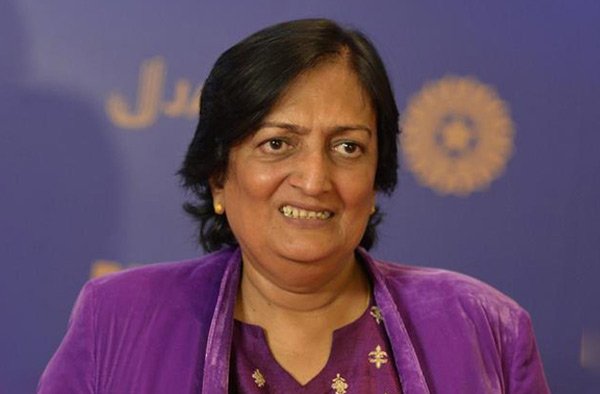
Shanta Rangaswamy, widely regarded as one of the greatest figures in the history of Indian women’s cricket, broke barriers at a time when the women’s game received little spotlight or support. Born in 1954, she starred as a prolific all-rounder and captain for India between 1976 and 1991, scoring over 750 Test runs with a memorable century and claiming more than 20 wickets in international cricket.
Her career is studded with historic firsts: she was the first Indian woman to score a Test century, the first captain to lead India to a Test victory, and a trailblazer who laid the foundations for future generations of women cricketers.
While stands at major cricket venues in India traditionally bear the names of distinguished male cricketers, this gesture represents a thoughtful shift toward greater inclusivity and recognition of women’s cricketing heritage. Rangaswamy’s name etched onto a stand at Chinnaswamy, home ground of Karnataka cricket and one of India’s most revered stadiums is symbolic not just of her individual achievements but of the progress of women’s sport in the country.
The idea of naming stadium stands after cricketing legends in Bengaluru has been discussed for years. Previously, there was controversy when proposals to rename stands omitted Rangaswamy’s name despite her monumental contributions to Karnataka and Indian women’s cricket. Advocates and former cricketers had long called on cricket administrators to honour women pioneers alongside their male counterparts at the Chinnaswamy grounds.
Rangaswamy’s impact extends beyond statistics. She has remained involved in cricket as a commentator, administrator, and mentor, advocating for the growth of women’s cricket and the betterment of the sport’s infrastructure nationwide. Her leadership, both on and off the field, has inspired countless young girls to pursue cricket professionally.
The announcement not only pays tribute to her enduring legacy but reinforces the importance of remembering and celebrating the pioneers who helped shape Indian cricket into what it is today.

