

India are looking beyond regional dominance. After reclaiming the SAFF Women’s Championship and rebuilding confidence under head coach Crispin Chettri, the Blue Tigresses are now in line for a significantly tougher examination, with Russia expected to be their opponent during the October FIFA Women’s International Match Window. Kolkata is among the potential venues for the proposed fixtures, although the matches are yet to receive final confirmation. The October window runs from October 5 to 13, and India are expected to play two matches against Russia if the proposed arrangement is approved.
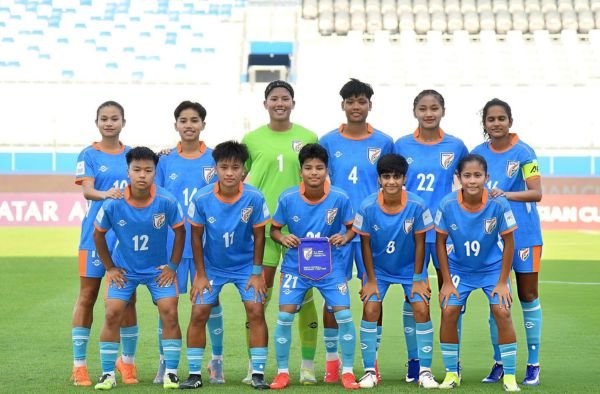
The fixture would represent a deliberate step up in opposition for a team currently ranked 69th in the FIFA women’s world rankings. Russia are ranked 27th, making them one of the highest-ranked teams India are expected to face this year. FIFA’s latest official women’s ranking update placed India 69th, with the next official ranking scheduled for October 20. “The team management was looking to play higher-ranked sides for more ranking points after the SAFF title. Accordingly, Russia (ranked 27th) looked like a good fit,” a source told. “The process of inviting them has been in the works for some time now. But the approval from UEFA and FIFA is pending, only after which it will be confirmed.”
The proposed meetings would therefore be about considerably more than filling two dates on the international calendar. India are looking for stronger opposition, more ranking points and, perhaps most importantly, a clearer indication of where the side stands against teams operating at a higher level. The Blue Tigresses have experienced contrasting fortunes during 2026.
India competed at the AFC Women’s Asian Cup in Australia but exited at the group stage. They subsequently travelled to Kenya for the FIFA Series, where they secured a win over Malawi and finished third. The turnaround came at the SAFF Women’s Championship, where Chettri’s side defeated defending champions Bangladesh in the final to reclaim the regional title after a seven-year wait. That success has provided momentum, but Russia would present an entirely different challenge. Chettri has already shown that he is willing to expose his players to stronger opposition. During India’s preparation for the Asian Cup, the coach stressed the importance of testing younger players against better teams and developing a pathway from the youth sides into the senior setup.
The Russia fixtures could therefore become another important stage in that process. The Indian coach will also be looking for signs that his team can translate its improved organisation and confidence against opponents who possess greater physical strength, technical quality and international experience. There is an added significance to the possible Kolkata venue. The city has historically been one of India’s major football centres, and the women’s national team has increasingly been exposed to football audiences across different parts of the country. Kolkata also hosted India’s women’s domestic football activity earlier this year, with the Indian Women’s League 2025-26 concluding there in May.
However, the city is already preparing for a major men’s international football window in October. The AIFF has confirmed that Brazil will face India at the Vivekananda Yuba Bharati Krirangan on October 3, followed by Uruguay against India at the same venue on October 6. A women’s international fixture in Kolkata around the same period would add another significant layer to what promises to be a busy month for Indian football. For India, theIndia are expected to face Russia in October. Here’s why the proposed fixtures could help the Blue Tigresses gain ranking points and test their progress. timing could also prove useful from a developmental perspective. The next major competitive target is not simply another SAFF title. The Blue Tigresses need to become more competitive in Asia, and that requires regular exposure to teams outside their traditional regional pool.
Japan, the 2011 FIFA Women’s World Cup champions, remain the standout high-ranked opponent India have faced this year. Russia would provide another opportunity to bridge the gap between South Asian success and wider international competitiveness. The FIFA ranking system also makes the quality of opposition important. Results against stronger teams can provide India with an opportunity to improve their ranking, provided the matches are recognised as official international fixtures. The most important question surrounding the proposed Russia fixtures is not whether India can win.
It is whether India can compete. For years, the Blue Tigresses have dominated South Asian football, but regional success has not always translated into progress against the continent’s stronger teams. The Asian Cup group-stage exit showed that the distance between India and the leading sides remains significant. That is why Russia could be an ideal opponent. A 69th-ranked team facing a side ranked 27th carries an obvious risk. India could lose both matches and see their confidence questioned. But that is precisely why these fixtures matter. Development rarely comes from consistently beating teams ranked around or below you.
Chettri needs matches where his players are forced to defend for longer periods, make decisions under pressure and create chances against better organised opposition. For the Blue Tigresses, October should not be about protecting an unbeaten run or collecting comfortable victories. It should be about discovering just how far they still have to go.

