

India’s ambitions of emerging as a global athletics powerhouse have suffered a major reputational setback, as the country now leads the world in doping-related suspensions in track and field. The latest figures released by the Athletics Integrity Unit (AIU) reveal that India currently has 148 athletes serving suspensions for doping violations, the highest among all nations.
The data, valid as of April 1, 2026, places India just ahead of Kenya, which has 146 suspended athletes, while Russia follows with 66 cases. The figures highlight a troubling trend for Indian athletics, which has struggled with doping-related issues for over a decade.
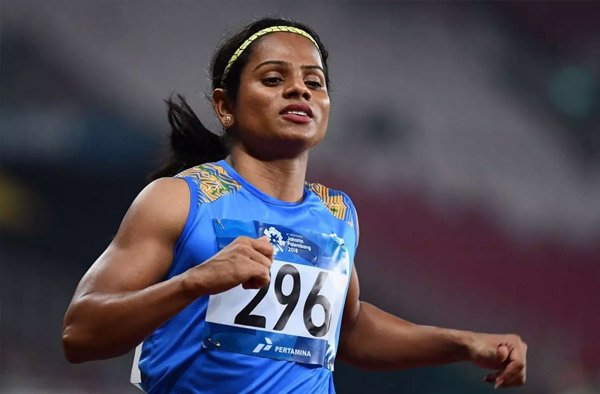
Among the suspended athletes are some high-profile names, including Dutee Chand, India’s national record holder in the women’s 100m, and Parvej Khan, a promising middle-distance runner who had been making headlines in the U.S. collegiate circuit.
Their inclusion in the list has intensified scrutiny on the systems governing athlete training and monitoring in India. Experts argue that repeated instances involving both elite and emerging athletes indicate systemic gaps rather than isolated violations.
The AIU’s findings come on the heels of a concerning report by the World Anti-Doping Agency (WADA), which had already flagged India as one of the worst offenders globally. In its 2024 testing report, WADA recorded 260 positive cases from India across sports, with athletics contributing a significant share.
This overlap between AIU suspensions and WADA’s testing data underscores a persistent and deep-rooted problem. While other countries have managed to reduce violations through stricter enforcement and education, India’s numbers have continued to rise.
Track and field remains particularly vulnerable to doping in India due to a combination of factors. Many athletes come from rural or economically weaker backgrounds, where awareness about banned substances is limited. Additionally, the pressure to secure jobs, government quotas, and financial stability through sports often pushes athletes toward shortcuts.
Another critical factor is the role of unregulated coaching networks. Despite efforts by the Athletics Federation of India (AFI) to monitor training centres, experts believe that informal coaching setups continue to operate without adequate oversight.
In recent years, the AFI has introduced stricter measures, including mandatory participation in competitions, closer monitoring of training camps, and action against coaches found guilty of encouraging doping. However, the latest AIU data suggests that these interventions have yet to produce the desired results.
Officials within the federation have repeatedly emphasised the need for a cultural shift in Indian athletics, one that prioritises clean sport over quick success. However, implementing such change requires coordinated efforts across multiple levels, including grassroots training, athlete education, and stricter law enforcement.
India’s position at the top of the doping suspension list could have wider implications beyond athletics. It risks damaging the country’s credibility on the global sporting stage, especially at a time when India is bidding to host major international events and aiming to improve its Olympic performance.
International bodies may also increase scrutiny of Indian athletes in global competitions, leading to more frequent testing and stricter compliance requirements.
Experts agree that tackling doping requires more than punitive action. There is a growing call for investment in education programs, better access to nutrition and sports science, and stronger accountability mechanisms for coaches and support staff.
While India continues to produce world-class talent in athletics, the shadow of doping threatens to overshadow genuine achievements. The latest AIU list serves as a stark reminder that without systemic reform, the country’s sporting progress may remain under question.
As the spotlight intensifies, the challenge for Indian athletics is clear: rebuild trust, reinforce integrity, and ensure that future success is achieved on a clean and level playing field.

