

For over two decades, boxing has quietly evolved into one of India’s most dependable medal-producing sports on the international stage. From the pioneering success of M.C. Mary Kom to Olympic medallists Vijender Singh and Lovlina Borgohain, Indian boxing has consistently punched above its weight, producing champions who have transformed the country’s standing in the global amateur circuit. As the Commonwealth Games 2026 begin on July 23, another chapter in that journey is set to unfold. This time, however, the narrative is different.
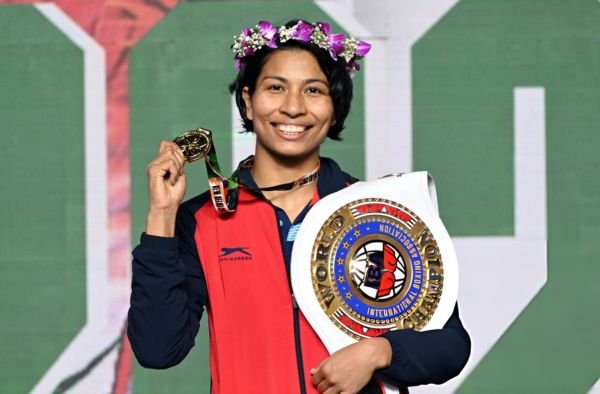
India arrives with a 14-member boxing contingent, comprising seven men and seven women, but without any of the three gold medallists who stood atop the podium at the Birmingham Commonwealth Games in 2022. Instead of defending champions, the squad is built around a blend of experienced campaigners and rising stars eager to establish themselves on one of the sport’s biggest stages. For Indian boxing, the Games represent more than another medal opportunity. They offer a glimpse into the country’s next generation of champions as preparations gradually shift towards the Los Angeles 2028 Olympic Games.
The expectations remain high because history suggests they should. At the 2022 Commonwealth Games in Birmingham, India enjoyed one of its finest boxing campaigns, finishing with seven medals comprising three gold, one silver and three bronze. That performance once again underlined boxing’s status as one of India’s strongest disciplines at multi-sport events alongside wrestling, weightlifting and badminton.
This year, however, the challenge is considerably different. The absence of the reigning Commonwealth champions signals the beginning of a transition period. Rather than relying on established medal winners, India has entrusted a younger crop of boxers who have steadily progressed through national championships, international tournaments and the elite training programme overseen by the Boxing Federation of India.
Yet the squad is far from inexperienced. Leading the team is Lovlina Borgohain, India’s Olympic bronze medallist from Tokyo 2020 and one of the country’s most accomplished active boxers. Competing in the women’s middleweight (75kg) category, Lovlina brings invaluable experience to a relatively youthful squad. Since her Olympic breakthrough, the Assamese boxer has continued to evolve, claiming the 2023 IBA Women’s World Championship gold medal, further cementing her place among the world’s elite.
Her presence alone significantly boosts India’s medal prospects. Equally encouraging is the return of Jaismine Lamboria, who competes in the women’s featherweight (57kg) division. Known for her aggressive style and sharp counter-attacking ability, Jaismine has consistently featured among India’s leading prospects after winning medals at continental competitions and representing the country at major international events.
The women’s contingent also features Preeti Pawar (54kg), Priya (60kg), Sakshi (51kg), Arundhati Choudhary (70kg) and Parveen (65kg), each of whom has emerged through India’s competitive domestic boxing structure and has already gained valuable international exposure.
India’s women’s boxing programme has become one of the nation’s greatest sporting success stories over the past decade. Inspired by pioneers such as Mary Kom and strengthened by sustained grassroots development, female boxers have consistently delivered medals at World Championships, Asian Championships, Commonwealth Games and the Olympics.
The men’s squad, meanwhile, reflects a similar emphasis on youth and long-term development. Representing India are Ankush (80kg), Narender (90+kg), Sachin (60kg), Sumit (70kg), Jadumani Singh Mandengbam (55kg), Kapil Pokhariya (90kg) and Aditya Pratap Yadav (65kg).
Several members of the squad have impressed on the national circuit and at age-group international competitions, earning selection through a rigorous domestic qualification system that has become increasingly competitive in recent years.
India’s growing strength in boxing is no accident. Over the past decade, improvements in coaching infrastructure, scientific training methods and international exposure have significantly elevated the country’s standards. Boxers now regularly compete in elite tournaments across Europe and Asia, allowing them to gain valuable experience against world-class opponents long before major championships.
The establishment of high-performance centres and increased support through government initiatives such as the Target Olympic Podium Scheme (TOPS) have further strengthened athlete preparation, ensuring India’s leading boxers receive access to international coaching, nutrition, sports science and competition opportunities.
That investment has translated into consistent success. According to the International Boxing Association (IBA) and World Boxing rankings, Indian boxers have become regular contenders across multiple weight categories, with both men and women achieving podium finishes at World Championships and Asian Championships in recent years. The country’s rise has also coincided with greater depth, meaning national trials have become almost as competitive as some international events.
The Commonwealth Games therefore serve an important purpose beyond medal counts. For younger athletes, they provide exposure to high-pressure competition against boxers from traditional powerhouses such as England, Australia, Northern Ireland and Scotland. Success here often becomes the foundation for Olympic qualification campaigns and World Championship performances in the years that follow.
At the same time, the competition itself continues to evolve. The Commonwealth Games have historically played a significant role in India’s boxing journey. It was at these Games that several of the country’s biggest stars first announced themselves on the international stage before progressing to Olympic success. For many athletes, the Commonwealth platform offers the ideal balance between elite competition and developmental opportunity.
This year’s squad reflects that philosophy. Rather than depending solely on established champions, India has selected a team capable of gaining invaluable experience while remaining competitive enough to challenge for medals across multiple categories. The combination of experienced campaigners like Lovlina Borgohain and emerging talents creates a squad that represents both the present and the future of Indian boxing.
India’s boxing contingent for the Commonwealth Games 2026:
Women’s Team
Jaismine Lamboria – Featherweight (57kg)
Preeti Pawar – Bantamweight (54kg)
Priya – Lightweight (60kg)
Sakshi – Flyweight (51kg)
Lovlina Borgohain – Middleweight (75kg)
Arundhati Choudhary – Light-middleweight (70kg)
Parveen – Welterweight (65kg)
Men’s Team
Ankush – Light-heavyweight (80kg)
Narender – Super-heavyweight (90+kg)
Sachin – Lightweight (60kg)
Sumit – Light-middleweight (70kg)
Jadumani Singh Mandengbam – Bantamweight (55kg)
Kapil Pokhariya – Heavyweight (90kg)
Aditya Pratap Yadav – Welterweight (65kg)
Ultimately, medal tallies will determine how this campaign is remembered. Yet the larger story extends beyond podium finishes. The Commonwealth Games 2026 mark the beginning of a new Olympic cycle for Indian boxing. It is an opportunity for emerging athletes to test themselves on an international stage, build confidence and establish their credentials ahead of future World Championships and the Los Angeles Olympics.
India may not have its Birmingham gold medallists returning to defend their crowns, but it carries something equally significant into the ring: a generation determined to write its own chapter in the country’s rich boxing history.

