
As Indian sport continues to grow in scale, visibility, and investment, questions around athlete safety and institutional accountability remain equally critical. Recent data presented in Parliament has once again brought the spotlight on the mechanisms in place to address sexual harassment within the country’s sporting ecosystem.
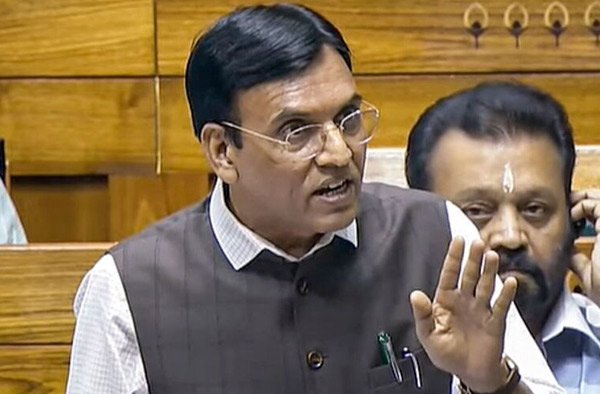
According to figures shared by the Sports Authority of India through the Union Sports Ministry in the Lok Sabha, a total of 33 complaints of sexual harassment have been recorded within SAI over the past decade. The data, disclosed in response to an unstarred question on March 30, provides a rare official insight into the scale and handling of such cases within one of India’s most important sports institutions.
Union Sports Minister Mansukh Mandaviya informed the House that out of the 33 complaints, 25 were filed against coaches, while eight were against administrative staff. The distribution itself highlights a recurring concern within sports structures, where athletes often interact more closely with coaching personnel, creating environments that demand strict oversight and safeguards.
In cases involving administrative staff, action appears limited. Only one case resulted in a significant penalty, permanent withholding of full gratuity under Rule 9 of the CCS (Pension) Rules, 1972. The remaining cases were either closed without penalty or remain pending, raising questions about evidentiary challenges, procedural delays, or institutional handling of complaints.
The situation in cases involving coaches reflects a comparatively more active disciplinary approach. Among the 25 complaints, two resulted in termination, six led to suspensions, and another six attracted minor penalties following inquiry committee findings. While these figures indicate that action is being taken, they also underline the complexity of addressing such cases, where outcomes depend heavily on investigations and internal review processes.
The Ministry also shed light on the appeals process. Interestingly, no appeals were filed in cases involving administrative staff. However, in matters concerning coaches, eight appeals have been lodged by either complainants or the accused, reflecting both contestation of decisions and the existence of formal channels to challenge inquiry outcomes.
Beyond SAI, the response highlighted a structural gap in Indian sport. National Sports Federations (NSFs), which govern individual sports, operate as autonomous entities and are responsible for handling complaints within their respective domains. As a result, the Ministry does not maintain a centralized database of sexual harassment complaints filed with these bodies. This absence of consolidated data makes it difficult to assess the full extent of the issue across the country’s sporting landscape.
However, compliance frameworks are in place. All recognized NSFs are mandated to adhere to the provisions of the Sexual Harassment of Women at Workplace (Prevention, Prohibition and Redressal) Act, 2013. They are required to establish Internal Complaints Committees (ICCs), which serve as the primary mechanism for addressing grievances. Similarly, the Ministry and its affiliated bodies, including SAI, have constituted ICCs to handle complaints internally.
An important digital intervention in this space is the SHe-Box portal, introduced by the Ministry of Women and Child Development. The platform has been integrated into SAI’s system, allowing individuals to file complaints online, thereby improving accessibility and confidentiality for complainants.
The government also clarified that no complaints have been reported against officials of the Sports Ministry itself in the past decade, including the current year. While the numbers may appear relatively limited in absolute terms, they represent only reported cases, often considered the tip of the iceberg in matters of workplace harassment. The data underscores the importance of building trust-driven reporting mechanisms, ensuring timely investigations, and fostering a culture where athletes feel safe and supported.
As Indian sport continues its upward trajectory globally, strengthening these institutional safeguards will be essential, not just for compliance, but for creating an ecosystem where performance and protection go hand in hand.

