

India’s campaign at the Billie Jean King Cup Asia/Oceania Group I ended with a mix of promise and regret, as a strong finish could not fully erase the impact of an underwhelming start. Despite showing resilience in the latter stages, the hosts fell short of securing a top-two finish, ultimately settling for third place in New Delhi.
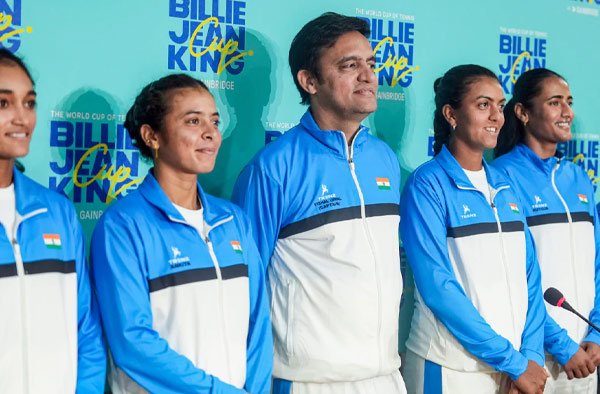
Led by captain Vishal Uppal, the Indian team entered the competition with clear ambitions of progressing to the World Group Play-offs. However, a costly opening-day performance proved to be the turning point in an otherwise competitive week. Uppal candidly reflected on what he described as “a few hours of poor tennis” that derailed India’s qualification hopes.
India signed off their campaign on a positive note, defeating South Korea 2-1 in their final tie. The result showcased the team’s fighting spirit and ability to deliver under pressure, but it was not enough to alter the final standings. Thailand and Indonesia secured the top two spots, advancing to the next stage, while India remained in Group I.
The captain pointed to the early tie against Thailand as the defining moment of the tournament. India had identified Thailand and South Korea as must-win encounters to keep their qualification hopes alive. However, a shaky start saw the team fall behind, and despite their efforts, they were unable to recover from that initial setback.
In that crucial tie, Vaishnavi Adkar lost the opening singles match, putting India on the back foot. The pressure intensified when Sahaja Yamalapalli was defeated in a rain-affected second singles match, sealing an unexpected loss. That defeat not only dented India’s momentum but also shifted the balance in a tightly contested group.
Over the course of the week, India showed glimpses of their potential but struggled with consistency. Narrow losses against both Thailand and Indonesia highlighted missed opportunities, with the team often finding itself in winning positions but failing to capitalize at crucial moments. Uppal described the campaign as one of “fine margins,” where small lapses had significant consequences.
Among the experienced players, Ankita Raina once again underlined her importance to the side. Speaking after one of her matches, Raina emphasized the pride and responsibility that comes with representing the country. She also experimented with a more aggressive playing style, frequently approaching the net in singles matches, a tactical shift that showed intent but did not always yield the desired results.
Raina acknowledged that her matches could have gone either way, reflecting the unpredictable nature of high-level sport. Despite the disappointment, she remained focused on the positives, reiterating that wearing the national colors continues to be a deeply motivating experience.
The doubles department offered further encouragement for India. Raina and Rutuja Bhosale displayed strong chemistry on court, reviving a partnership that has delivered results in the past. Both players expressed interest in continuing to play together, particularly with major events like the Asian Games on the horizon. Their coordination and understanding could become a key asset for India in future competitions.
Young talent also emerged as a bright spot during the tournament. Vaishnavi Adkar, despite her early setback, showed significant improvement as the week progressed. She spoke about learning to manage nerves and adapt to pressure situations, an essential step in transitioning to the international stage. Uppal echoed similar sentiments about the younger players, noting that while they possess the technical ability, growth in mental strength and physical endurance will be crucial. Representing India, he stressed, comes with unique pressures that require both resilience and maturity.
Looking ahead, the Indian camp remains optimistic. While the immediate disappointment of missing out on qualification lingers, there is a strong belief that this group has the foundation to achieve greater success. For Uppal, the campaign was less about failure and more about lessons that could shape a stronger, more consistent team in the years to come.
(Quotes sourced from Sportstar)

