

For Vinesh Phogat, the latest battle is not being fought on the wrestling mat. It is being fought over what happens before an athlete is allowed back onto it. The Delhi High Court has sought responses from the Wrestling Federation of India (WFI), Indian Olympic Association (IOA) and the Centre on Phogat’s plea seeking a fair and transparent framework for women wrestlers returning to competitive sport after pregnancy and childbirth.
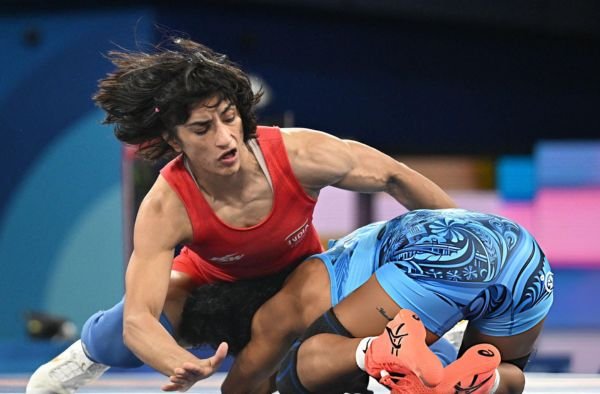
A bench headed by Justice Swarana Kanta Sharma issued notice on Tuesday and listed the matter for November 18. Phogat’s petition seeks safeguards so that maternity-related absence does not put women athletes at a disadvantage in domestic competitions, selection trials or future selection opportunities.
The case comes at a particularly significant point in Phogat’s career. After becoming a mother in July 2025, the former Olympian returned to the wrestling circuit and found herself having to navigate a selection system in which performances during her absence could still influence her prospects. Her petition argues that such a framework can create a structural disadvantage because pregnancy, childbirth and post-partum recovery are periods in which an athlete cannot simply continue competing as normal.
Phogat has sought a structured mechanism that would provide reasonable accommodation to women athletes returning from maternity and give them a transparent route back into competitive wrestling. Her plea also calls for objectively verifiable selection and nomination processes, an alternative mechanism for athletes affected by maternity-related absence and a definite domestic competition calendar.
The larger question is whether sporting selection systems can treat an athlete’s absence in the same way regardless of why it occurred. For elite athletes, missing tournaments can mean losing rankings, competitive rhythm and opportunities to demonstrate form. In wrestling, where selection trials can directly determine international representation, the consequences can be particularly severe.
Phogat’s own comeback has already illustrated the difficulty. She returned to competition after a lengthy break and eventually competed in the 2026 Asian Games selection process. The Indian Express reported that she lost to Meenakshi in the 53kg semi-final of the trials, while Phogat indicated that she intended to continue her comeback.
Her latest legal challenge therefore extends beyond one athlete’s selection prospects. It asks whether sporting institutions should create specific reintegration mechanisms for women whose careers are interrupted by motherhood. The timing is also notable.
On August 31, the Delhi High Court, in a separate employment matter, held that maternity leave cannot result in professional disadvantage and said a woman returning from maternity leave should ordinarily be restored to the position she held before her leave. The court stressed that maternity protection extends beyond salary and designation to duties, status, reporting structures and career prospects.
The court also heard Phogat’s separate challenge to disciplinary proceedings initiated by the WFI through two show-cause notices dated May 9 and June 17. Her lawyers argued that the federation had not complied with an earlier direction concerning the May 9 notice and questioned the composition and disclosure of the disciplinary committee.
They pointed out that the committee’s composition appeared on the WFI website only on July 30 after objections were raised. WFI counsel Hemant Phalpher, however, told the court that Phogat had been given two opportunities to appear before the disciplinary committee but had not done so. He said September 2 had been fixed as her final opportunity.
The court clarified that it was not directing Phogat to appear before the committee, saying it had only asked WFI’s counsel to obtain instructions. That matter will next be heard on September 29.
The disciplinary dispute also follows a turbulent period in Indian wrestling, with Phogat continuing to challenge decisions surrounding her return to competition. In June, the Supreme Court dismissed a WFI plea linked to her participation in the Asian Games trials, while clarifying that the dismissal did not affirm adverse observations previously made by the Delhi High Court against the federation.
The significance of Phogat’s petition lies beyond Vinesh Phogat. If Indian sport wants more women to remain in elite competition after motherhood, returning athletes cannot be expected to restart from zero. A fair system does not mean granting an athlete an automatic selection or special treatment.
It means recognising the legitimate period of absence, creating a transparent route back and allowing performance on the mat to ultimately decide selection. For Indian wrestling, the court’s intervention could therefore become an opportunity to address a much broader issue. The question is not whether maternity should guarantee selection. It is whether motherhood should quietly become a career penalty.
Phogat has taken that question from the wrestling arena to the courtroom. The response from the WFI, IOA and Centre could determine whether Indian sport is prepared to build a system where women can leave the mat for motherhood and still have a fair road back to it.

