

India’s athletics ecosystem is facing a serious reality check after the Athletics Federation of India (AFI) revealed that a vast majority of running tracks across the country fail to meet required standards, raising concerns about athlete safety, performance, and international competitiveness.
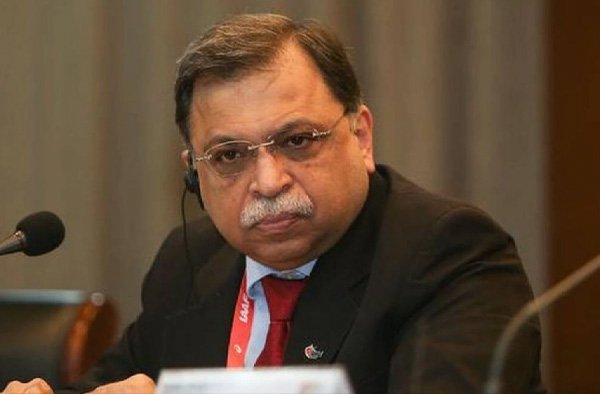
AFI spokesperson Adille Sumariwalla disclosed that more than 90% of tracks in India are substandard. He shared, the issues range from poor construction methods to the use of inferior materials and incorrect measurements.
In several cases, tracks have reportedly been built using tyre rubber instead of certified polyurethane surfaces, materials that are essential for shock absorption, durability, and athlete safety. Such compromises not only increase the risk of injuries but also affect performance metrics, making it difficult for athletes to train under internationally comparable conditions.
This revelation follows concerns raised by World Athletics, which has pushed national federations to take greater responsibility for infrastructure compliance. Sumariwalla admitted that AFI had historically stayed away from track certification processes, but that approach is now set to change. The turning point came during discussions at the World Athletics Championships Tokyo, where data presented to Indian officials highlighted the scale of the issue. The findings prompted AFI to rethink its role in infrastructure oversight.
Going forward, the federation plans to actively monitor and certify tracks across the country. This includes vetting international vendors, ensuring proper installation practices, and introducing stricter testing protocols. AFI has already conducted workshops with experts to educate stakeholders on correct track-laying techniques, measurement standards, and maintenance practices. The move is expected to bring India closer to global benchmarks, especially at a time when the country is aiming to become a regular host of major athletics events.
In a parallel development, AFI has also announced that it will fund mandatory SRY gene testing for female athletes, in line with regulations set by the International Olympic Committee and World Athletics. The SRY gene test, introduced at the Tokyo World Championships, is a one-time screening used to verify eligibility criteria in women’s competition. While the test typically costs around ₹8,000, AFI has negotiated a reduced rate of ₹3,500 per athlete and will bear the full expense.
Beyond compliance, the federation is also investing in sports science. Plans are underway to conduct DNA-based research aimed at understanding injury patterns, recovery cycles, and muscle composition among Indian athletes. Officials believe this data will help tailor training programs more effectively, as most existing research is based on non-Indian populations.
AFI has also temporarily paused a recently introduced rule that required athletes to seek prior approval before signing sponsorship deals. The regulation had drawn mixed reactions from athletes and stakeholders, prompting the federation to open a three-month consultation window to refine the policy.
The decision reflects a balancing act between maintaining governance and allowing athletes commercial freedom, an increasingly important aspect in modern sport.
Despite the infrastructure concerns, India’s ambitions in athletics continue to expand. The country has already secured hosting rights for the World Athletics Indoor Championships 2028 and has submitted bids for the World U20 Championships. Additional plans include hosting the Asian Relays in Chandigarh and the Asian Indoor Championships in Bhubaneswar.
These developments underline the urgency of improving infrastructure, as hosting global events requires strict adherence to international standards.
On the competitive front, India is preparing to send five teams to the World Athletics Relays 2026, scheduled for May 2–3 in Gaborone, Botswana. The squad includes top relay runners across men’s, women’s, and mixed categories, reflecting the country’s growing depth in sprint and relay events.
The AFI’s admission marks a rare moment of introspection in Indian sport. While the findings are concerning, they also present an opportunity to rebuild the foundation of athletics in the country.
Improving track quality, investing in sports science, and aligning with global standards could significantly enhance India’s performance on the world stage. The coming months will be crucial in determining whether these reforms translate into lasting change—or remain another missed opportunity.

