

For nearly two years, P V Sindhu walked into tournaments carrying not just a badminton racquet but the weight of expectations. Every early exit sparked questions. Every defeat invited speculation about whether one of India’s greatest badminton players had already played her best badminton. Injuries, inconsistent performances and a prolonged title drought had made the road back anything but easy.
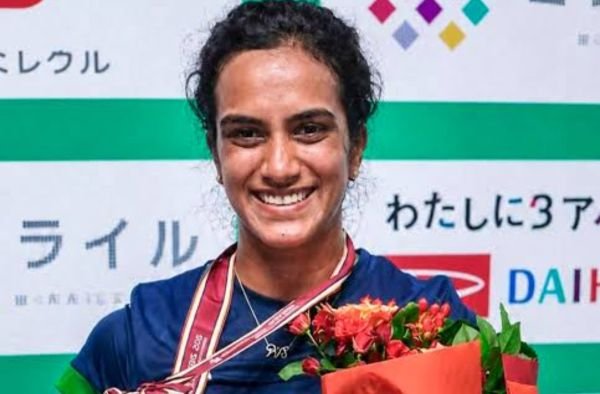
On Sunday in Tokyo, Sindhu delivered the perfect answer. The two-time Olympic medallist scripted history by becoming the first Indian to win the prestigious Japan Open, defeating home favourite and three-time world champion Akane Yamaguchi 21-17, 21-17 in a commanding women’s singles final. More importantly, she captured her maiden BWF Super 750 title, ending a 19-month wait for silverware and claiming her biggest title since winning the World Championships in 2019. The victory was about far more than a trophy. It marked the return of the fearless, attacking Sindhu who had dominated world badminton for years.
A Journey Filled with Doubt
Sindhu’s career has been one of remarkable highs and lows. She became India’s first badminton world champion in 2019, won Olympic silver at Rio 2016 and followed it up with bronze at the Tokyo Olympics. Yet, after those glorious years came a difficult phase.
Recurring injuries interrupted her rhythm. She struggled to string together deep tournament runs and often fell short against the world’s top players. While she managed to win the Syed Modi International in December 2024, the victories at elite tournaments remained elusive. Critics questioned whether age and injuries had caught up with her, while younger players began dominating the BWF circuit.
Sindhu, however, never stopped believing. After lifting the Japan Open trophy, emotions finally took over. “Well, actually I had tears in my eyes because it was very important for me to win. Because I was really focusing hard and working hard on myself.”
She added, “I’m just out of words because it was 19 months since I had won … I kept believing that I could do it. Even though a lot of people were like, what’s happening? Is it done or whatever it is? But I still believed in myself and I want to thank my family, my coaches and my support staff.” Those words perfectly summed up the perseverance behind the comeback.
A Tournament That Reignited Vintage Sindhu
The Japan Open showcased a different Sindhu. Instead of relying solely on her trademark power, she blended aggression with patience and tactical maturity. Throughout the week, she looked sharper, moved freely around the court and displayed greater confidence in long rallies and showcased the court where she belonged.
Facing Akane Yamaguchi in Tokyo made the challenge even tougher. The Japanese star was playing in front of her home crowd, had reached six Japan Open finals and had troubled Sindhu in recent years. Sindhu had not defeated Yamaguchi in a completed match for four years.
Yet the final never seemed beyond her control. She raced to an early lead before Yamaguchi fought back. Every time the Japanese player threatened to seize momentum, Sindhu responded with precise net play and perfectly timed cross-court smashes. One of the defining moments came when Sindhu won a gruelling 36-shot rally to level the opening game at 11-11. It shifted the momentum entirely. From there, she combined tight net exchanges with booming winners to close out the first game 21-17.
The second game followed a similar script. Sindhu dominated the forecourt, forced Yamaguchi into lifting the shuttle and capitalised with relentless attacking play. A 44-shot rally demonstrated her improved fitness and determination, while her ability to stay calm in crucial moments prevented the home favourite from completing a comeback.
When Yamaguchi’s final return landed long after a successful line review, Sindhu dropped her racquet, embraced her coach and celebrated a victory that had been years in the making.
The Japan Open title is significant for several reasons. It made Sindhu the first Indian ever to win the tournament. It ended her Super 750 title drought. It also served as a reminder that experience and resilience remain invaluable at the highest level of the sport. More importantly, the triumph restores belief, not just for Sindhu but for Indian badminton fans who have waited patiently to see their champion return to her best.
With the BWF World Championships approaching in New Delhi, this victory could not have arrived at a better time. It sends a clear message that Sindhu is once again capable of competing with and defeating the world’s best.
Champions are rarely defined by uninterrupted success. They are remembered for the way they respond when the victories stop coming, when injuries strike and when doubts begin to grow louder than applause.
Tokyo became the stage and a lucky court where P V Sindhu reminded the world exactly why she is one of India’s greatest sporting icons. After months of relentless hard work, self-belief and resilience, the wait is finally over. Sindhu is back, and so is her winning smile.

