

The Indiana Fever will be without their biggest star for Saturday night’s nationally televised showdown against the Los Angeles Sparks, dealing both the franchise and the WNBA a significant setback. Caitlin Clark has been ruled out after suffering a back injury during the Fever’s loss to the Phoenix Mercury, with the incident once again igniting debate over officiating standards and player protection in the league.
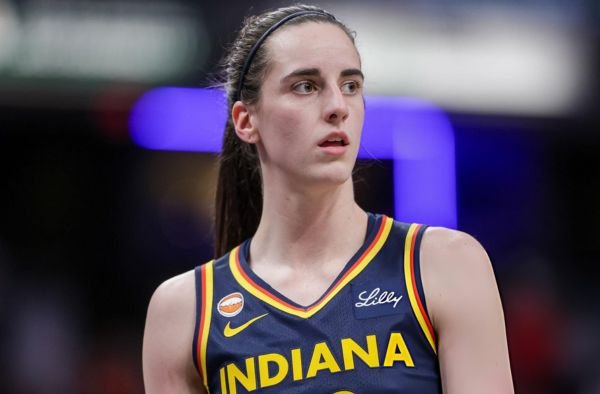
Clark’s absence is expected to impact not only Indiana’s chances on the court but also television ratings for one of the WNBA’s marquee broadcasts. Since entering the league as the No. 1 overall draft pick, the former Iowa superstar has transformed the commercial landscape of women’s basketball, driving record-breaking attendance, television audiences and merchandise sales.
The injury occurred during Wednesday’s contest against the Mercury, where Clark was involved in a physical sequence with Phoenix forward Alyssa Thomas. The play quickly became one of the most discussed moments of the game after Thomas appeared to make forceful contact with Clark during a defensive play. Although Thomas was later handed a one-game suspension by the WNBA following a league review, officials did not call a foul during the game itself, a decision that sparked immediate criticism from Indiana’s coaching staff.
Fever head coach Stephanie White did not hide her frustration while addressing the media after the game. “Absolutely disrespectful. We spent all offseason looking at officiating, and I still say the one thing that we keep asking for is consistency,” Fever coach Stephanie White said. “[Clark] is not called the same way as everybody else is called. The fist in the throat is crazy. It’s crazy. It’s dangerous. … When you have these things continue to happen time and time and time again, eventually it gets frustrating.”
White’s comments have added to an ongoing conversation surrounding the physical treatment Clark has received throughout her WNBA career. Since making her professional debut, the All-Star guard has frequently found herself at the centre of highly physical contests, prompting repeated discussions among players, analysts and fans about whether officials are doing enough to protect the league’s marquee stars.
The Fever confirmed on Friday that Clark will miss Saturday’s nationally televised game against the Sparks. However, the organisation has not provided a definitive timeline regarding her return. “She’s okay. She’s going to be out on Saturday,” White told reporters. “No indication [on how long she’s going to be out]. Obviously, it’s a good time since we have all week [off] next week. We’ll take this opportunity to get her treatment, get her healthy and get her back on the floor.”
Fortunately for Indiana, the scheduling break could prove beneficial. The Fever have only one game scheduled over the next eight days, giving Clark additional time to recover without missing an extended stretch of the season. If rehabilitation progresses well, there remains optimism that she could return shortly after the brief break.
Clark’s absence extends far beyond Indiana’s roster. Since joining the WNBA, she has become the league’s biggest commercial attraction, consistently drawing sold-out arenas and unprecedented television audiences. Numerous broadcasts featuring the Fever have set viewership records, while opposing teams have frequently moved games to larger venues to accommodate increased demand whenever Clark is in town.
USA Today columnist Christine Brennan believes Saturday’s broadcast on CBS will feel the immediate impact of Clark’s absence.
“There is a tremendous financial impact to the pounding Caitlin Clark is taking,” Brennan said. “She is now out of Saturday’s 8 pm nationally televised game on CBS. We know from three seasons of TV data that viewership for that game will now be half of what it would have been had she played.”
The comments quickly resonated across social media, where many Clark supporters expressed disappointment over the incident and frustration with the league’s handling of physical play.
Some fans even called for a boycott of WNBA broadcasts until Clark returns to action, arguing that stronger measures should be taken to protect the league’s biggest stars. Others urged sponsors and broadcasters to pressure the league into improving officiating consistency. While such reactions reflect a vocal section of Clark’s fanbase, there is no indication of any organised boycott, and opinions across the broader basketball community remain divided.
Clark’s influence on the sport has been unprecedented. During her collegiate career at Iowa, she became the NCAA Division I all-time leading scorer and helped elevate women’s college basketball to record television audiences. That popularity has seamlessly carried into the professional ranks, where she has emerged as the face of the WNBA’s new generation.
Her arrival has coincided with soaring ticket demand, increased sponsorship interest and significantly improved national television ratings, making her one of the most influential athletes in American sport today. For Indiana, however, the immediate concern is ensuring their franchise cornerstone returns fully fit. The Fever remain firmly focused on managing Clark’s recovery rather than rushing her back into action.
Saturday’s contest against the Sparks will undoubtedly lose some of its star appeal without Clark on the floor, but it also presents an opportunity for Indiana’s supporting cast to step up in her absence. More importantly, the coming week offers valuable recovery time for a player whose health remains central not only to the Fever’s ambitions but also to the continued momentum of the WNBA’s remarkable growth.
As the debate over player safety continues, all eyes will now be on Clark’s rehabilitation and the timeline for her return. Both Indiana and the league will hope their biggest attraction is back on the court sooner rather than later.

