

A fresh wave of internal discord has emerged within Indian football’s governing body, raising questions about transparency, leadership conduct, and institutional functioning at the highest level. The latest controversy, stemming from an Executive Committee meeting in New Delhi, has brought the spotlight firmly onto the dynamics within the All India Football Federation (AIFF), as conflicting narratives from senior officials continue to unfold.
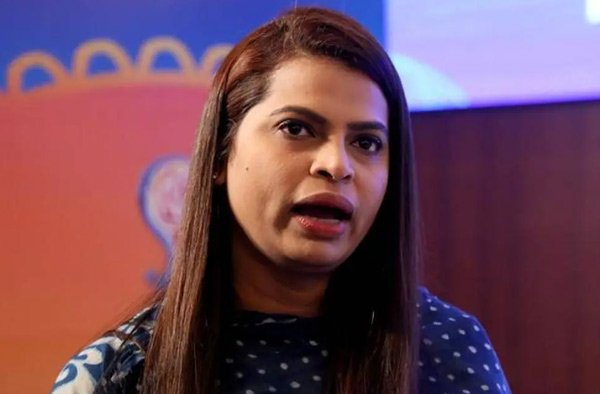
At the centre of the issue is Valanka Alemao, head of the AIFF Women’s Committee, who has formally accused federation president Kalyan Chaubey of harassment during a meeting held on March 29 at the Football House. In a strongly worded communication addressed to fellow committee members, Alemao alleged that she was subjected to unacceptable behaviour and repeated attempts to silence her during discussions.
In her complaint, she described the experience as deeply distressing, stating that the conduct of the leadership crossed professional boundaries. She alleged that she was “heckled and harassed” during the proceedings and expressed concern over what she perceived as a pattern of intimidation. According to her account, the situation escalated as multiple senior officials raised their voices in a manner she found inappropriate for a formal administrative setting. Alemao further claimed that she felt “deeply prejudiced” and that efforts were made to suppress her contributions during the meeting.
The allegations were not limited to the president alone. Alemao also named vice president and deputy secretary general M Satyanarayan in her complaint, suggesting that the atmosphere in the meeting room became increasingly hostile. She asserted that remarks directed at her were “unnecessary and disrespectful,” and maintained that she was “consistently targeted” throughout the discussion. Her statement has since sparked wider conversations about representation, inclusivity, and the treatment of women in leadership roles within Indian sports administration.
Responding to the allegations, the AIFF has categorically denied the claims, offering a contrasting version of events and attributing the conflict to ongoing disagreements over league-related matters. In its official statement, the federation linked the incident to a broader dispute involving the proposed inclusion of Churchill Brothers FC Goa in the Indian Super League (ISL). According to the AIFF, between January and mid-February 2026, Alemao and members of her family allegedly exerted sustained pressure on the federation to facilitate the club’s entry into the ISL through exceptional measures.
The federation maintained that such a move was not feasible within the existing regulatory framework. It reiterated that the structure of the upcoming ISL season had already been finalised as a 14-team competition, with approval from the Asian Football Confederation. Any deviation, the AIFF argued, would undermine established protocols and disrupt the integrity of the league system.
Further strengthening its stance, the federation referenced a ruling by the Court of Arbitration for Sport, which had awarded the I-League title and subsequent promotion rights to Inter Kashi. The AIFF stated that this decision left no room for discretionary inclusion of additional teams, including Churchill Brothers, outside the defined pathway. It added that the matter had been discussed extensively in Executive Committee meetings, where proposals to reconsider the inclusion were ultimately rejected.
The unfolding situation has cast a spotlight on the governance structures within Indian football, particularly at a time when the sport in the country is striving for greater professionalism and global alignment. Allegations of harassment at the executive level, coupled with disputes over league operations, risk undermining confidence in administrative processes and decision-making frameworks.
Beyond the immediate controversy, the episode raises broader questions about accountability and communication within sports bodies. The contrasting narratives presented by Alemao and the AIFF highlight the challenges of managing internal disagreements in a transparent and constructive manner. For stakeholders, including players, clubs, and fans, the focus remains on ensuring that such disputes do not hinder the growth and stability of the sport.
As the situation develops, there is likely to be increased scrutiny on how the AIFF addresses both the allegations and the structural concerns they bring to light. Whether through internal review mechanisms or external intervention, the federation’s response will play a crucial role in shaping perceptions of its governance standards moving forward.
For now, the controversy stands as a reminder that the progress of Indian football depends not only on performances on the pitch but also on the strength, integrity, and inclusiveness of its leadership off it.

