

What should have been a routine international tournament has turned into a deeply emotional and complex situation for members of the Iran Women’s National Football Team, as geopolitical tensions back home continue to cast a shadow over their futures.
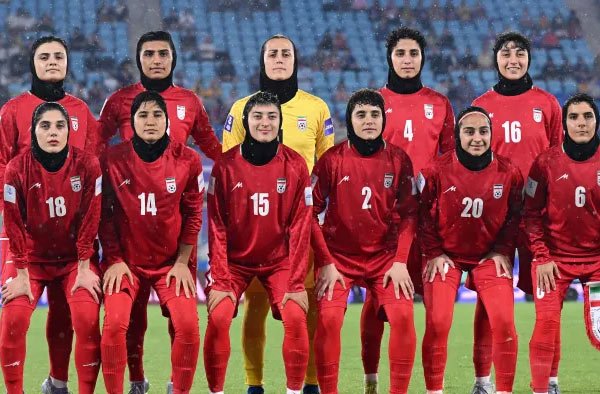
During the ongoing AFC Women’s Asian Cup in Australia, several Iranian players sought humanitarian asylum, citing safety concerns amid escalating conflict in their home country. Initially, six players and one staff member chose to remain in Australia following Iran’s exit from the tournament. However, the situation has since evolved.
According to Tony Burke, Minister for Home Affairs of Australia, three more members of the squad have now decided to return to Iran, reducing the number of individuals staying in Australia to three. “Overnight, three members of the Iranian Women’s Football Team made the decision to join the rest of the team on their journey back to Iran,” Burke said. “After telling Australian officials they had made this decision, the players were given repeated chances to talk about their options.
“Australians should be proud that it was in our country that these women experienced a nation presenting them with genuine choices and interacted with authorities seeking to help them. While the Australian government can ensure that opportunities are provided and communicated, we cannot remove the context in which the players are making these incredibly difficult decisions.”
The players who initially chose to stay were reportedly placed in protective care, with Australian authorities ensuring their safety amid fears of repercussions. Humanitarian visas would allow them to live, work, and study in Australia, but the decision to stay comes with its own risks, particularly for family members back in Iran.
The backdrop to this crisis is the escalating conflict involving Iran, Israel, and the United States, which intensified after military strikes began on February 28. The violence has led to significant casualties and heightened instability across the region.
Tensions surrounding the team had already been high during the tournament. The players drew attention after refusing to sing the national anthem in their opening match, a gesture that led to strong backlash from authorities back home. They were publicly criticised and labelled “wartime traitors” on state television, further increasing concerns about their safety.
Faced with two difficult paths, returning to a nation in conflict or remaining abroad with uncertainty surrounding their families, the players have been navigating deeply personal and high-stakes decisions.

