

The Mumbai Cricket Association (MCA) has taken a landmark step that could reshape the structure of domestic cricket in India, unveiling a comprehensive player contract system aimed at professionalising the state-level game and securing the future of its cricketers.
In a move that aligns domestic structures closer to international standards, Mumbai has become the first state association in the country to introduce annual contracts for its players. The initiative, approved by the association’s Apex Council, is set to come into effect from the 2026–27 domestic season and is widely being viewed as a model that other state bodies could soon adopt.
At its core, the system seeks to address a long-standing gap in Indian domestic cricket, where players, especially those outside the Indian Premier League and national reckoning, often rely heavily on match fees with limited financial stability. By introducing a retainer-based model, the MCA aims to ensure a more secure and professional environment for its talent pool.
Under the new framework, players will be categorised into three grades based on performance, fitness standards, and recommendations from the selection committee. Those in Grade A will earn between INR 12 lakh and INR 20 lakh annually, while Grade B players will receive between INR 8 lakh and INR 12 lakh. Grade C contracts will carry a fixed annual retainer of INR 8 lakh.
Beyond the retainers, contracted players will continue to receive match fees, daily allowances, and performance-based incentives as per existing policies, ensuring that consistent performers are rewarded across formats and competitions.
Importantly, the system has been designed with a clear developmental focus. According to MCA officials, the contracts are intended to support players who are on the verge of progressing to higher levels, including India A, IPL franchises, and the senior national team. By offering financial backing and a structured pathway, the association hopes to reduce the dropout rate among talented cricketers who often leave the sport due to financial uncertainty.
Another key aspect of the policy is its emphasis on meritocracy. Selection into the contract system will not be automatic but will depend on measurable parameters such as recent performances, fitness benchmarks, and overall contribution to the team setup. This is expected to raise the standard of competition within Mumbai cricket, historically one of India’s strongest domestic units.
The initiative also reflects a broader shift in how domestic cricket is being perceived in India. Traditionally seen as a stepping stone to international cricket, the domestic circuit is now being treated as a professional ecosystem in its own right. The MCA’s decision mirrors the graded central contracts offered by the Board of Control for Cricket in India, indicating a trickle-down effect of professionalism from the national to the state level.
MCA President Ajinkya Naik described the move as a transformative moment for the association. He emphasised that the introduction of contracts would not only provide financial security but also create a structured and aspirational environment for players to grow and excel.
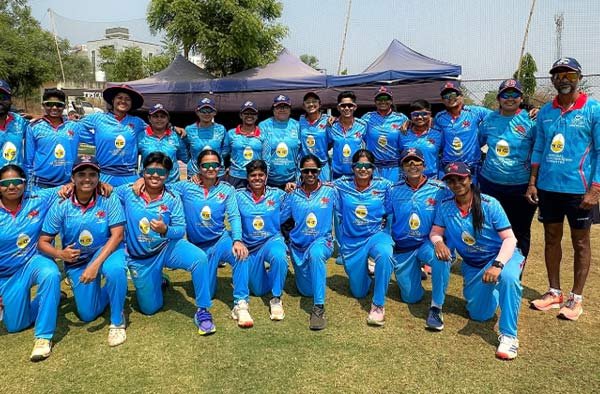
There is also a strong inclusivity angle to the policy. The contracts are expected to cover both men’s and women’s teams, a significant step toward ensuring parity and support across genders within the domestic framework. This aligns with the growing momentum around women’s cricket in India and the push for more equitable investment at all levels.
With Mumbai often setting benchmarks in Indian cricket, from producing legends to dominating the Ranji Trophy, this latest move reinforces its role as a pioneer. If successful, the contract system could become a blueprint for other state associations, ultimately strengthening the overall ecosystem of Indian domestic cricket.
As the 2026–27 season approaches, all eyes will be on how this ambitious initiative unfolds and whether it delivers on its promise of stability, performance, and long-term growth for the next generation of cricketers.

