

The battle for supremacy in Asian fencing intensified at the Asian Senior Fencing Championships 2026 as the competition shifted from individual contests to the highly anticipated team events at Bharat Mandapam in New Delhi. With Olympic medallists, world champions and continental stars taking to the piste, Day 4 delivered high-quality action, showcasing why Asia remains one of the strongest fencing regions in the world.
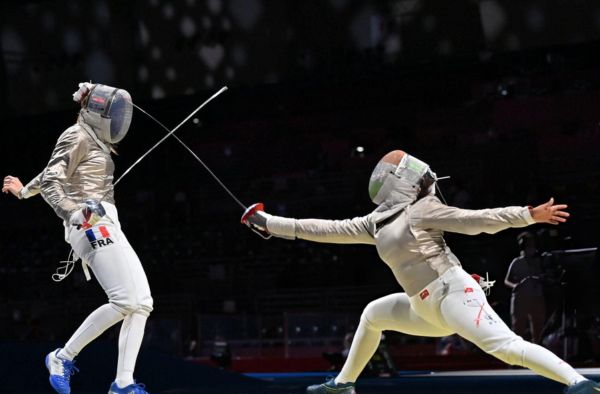
As expected, traditional fencing giants South Korea and Japan once again emerged at the forefront of the competition, sharing the gold medals in the Men’s Sabre Team and Women’s Foil Team events respectively. Their performances highlighted the depth of talent, technical excellence and tactical discipline that have made both nations consistent contenders at the Olympic Games and World Championships.
For host nation India, the day offered a different but equally important takeaway. While podium finishes remained out of reach, both Indian teams displayed determination, resilience and glimpses of significant potential against some of the strongest fencing squads in Asia. Competing against opponents with far greater international exposure, the Indian fencers gained valuable experience that could prove crucial in their long-term development.
The Men’s Sabre Team event featured some of the biggest names in Asian fencing. South Korea entered the competition as defending champions and one of the favourites for the title. Led by Olympic champion and individual gold medallist Oh Sang-uk along with defending continental champion Do Gyeong-dong, the Korean squad delivered another dominant campaign.
Throughout the knockout rounds, South Korea demonstrated the aggressive attacking style and tactical precision that have become hallmarks of their sabre programme. Their journey culminated in a highly anticipated final against Japan, one of their fiercest rivals on the continental circuit.
The final lived up to expectations as both teams exchanged momentum throughout the contest. However, South Korea’s experience and composure in critical moments ultimately proved decisive as they secured another Asian title and reinforced their position among the world’s leading sabre nations.
Japan, meanwhile, found success in the Women’s Foil Team competition. Fresh off her triumph in the individual event, Yuka Ueno continued her impressive run by spearheading Japan’s charge to the gold medal.
The Japanese team displayed remarkable consistency throughout the tournament, combining technical precision with disciplined tactical execution. In the championship match against South Korea, they produced one of their best performances of the competition to secure the title.
Ueno’s leadership and consistency were central to Japan’s success, as she once again showcased the qualities that have established her among Asia’s premier foil fencers. The victory also highlighted the growing strength of Japanese fencing ahead of future international competitions.
While the spotlight largely focused on the title contenders, India’s performances attracted considerable attention from local supporters gathered at Bharat Mandapam. Competing on home soil against Olympic-level opposition, the Indian teams embraced the challenge and displayed encouraging signs for the future.
In the Men’s Sabre Team event, India was represented by Vishal Thapar, Karan Singh, Gisho Nidhi Kumaresan Padma and Lakshay Badser. The quartet approached the competition with confidence and intensity, producing several competitive exchanges against higher-ranked opponents.
Their campaign eventually ended in the pre-quarterfinal stage against Australia, a team with significantly greater experience on the international circuit. However, the Indians continued to fight hard in the classification rounds.
One of the most dramatic moments came in the battle for ninth place against Iran. India pushed their opponents to the limit before narrowly falling short by a single touch, losing 44-45 in a thrilling encounter. The close margin reflected the progress being made by the Indian men’s sabre programme.
Among the standout performers was Karan Singh, whose explosive speed and aggressive style caught the attention of spectators and coaches alike. His ability to launch quick attacks and secure crucial touches against experienced opponents demonstrated the potential of India’s emerging generation of fencers.
The Indian women’s foil team also gained valuable exposure during a demanding day of competition. The squad comprised Kanupriya Chawla, Joys Ashitha Stalinraj, Naorem Mina Devi and Sonia Devi Waikhom, all of whom faced some of the continent’s strongest opponents.
The team narrowly missed out on a place in the quarterfinals after a defeat to Kazakhstan, a nation with a strong fencing tradition. Despite the setback, the Indian fencers continued to compete with determination in the classification rounds.
They displayed adaptability and tactical awareness in their contest against Cambodia before eventually facing Australia in the ninth and tenth-place playoff. Although India was unable to secure victory, the experience of competing against higher-ranked international opponents is expected to contribute significantly to the team’s growth.
The Asian Senior Fencing Championships remains one of the most important events on the continental calendar, attracting elite athletes from across Asia. For India, hosting the tournament represents a major milestone in the development of the sport and provides local athletes with rare opportunities to compete against world-class opposition without leaving home.
As the championship progresses, South Korea and Japan continue to underline their dominance, but India’s performances suggest a promising future. With increased exposure, stronger domestic programmes and growing international participation, Indian fencing appears to be steadily moving in the right direction.
While the final standings placed both Indian teams in 10th position, the experience gained against Asia’s elite could prove invaluable as the country continues its efforts to establish itself as a competitive force on the international fencing stage.

