

The WNBA’s rise as a major force in professional sport reached a historic milestone in 2026, with the league recording unprecedented growth in television viewership, arena attendance and social media engagement. As the competition prepares for a championship series between the Atlanta Dream and Golden State Valkyries, the numbers from the regular season underline the growing commercial appeal of women’s basketball.
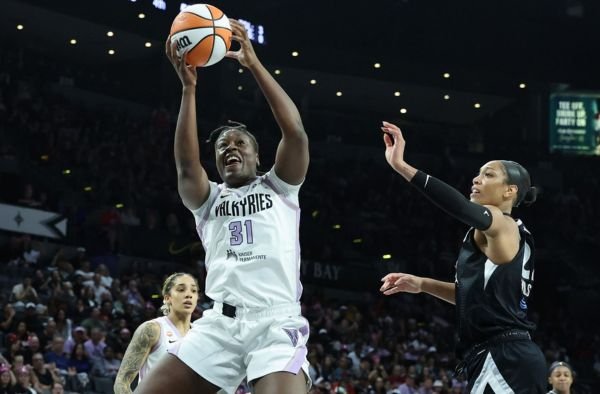
According to an official announcement released by the WNBA on Wednesday, October 14, the league attracted more than 90 million unique viewers across national networks during the 2026 regular season. It also recorded 3.8 million attendees across a league-record 330 regular-season games, while average attendance climbed to 11,474 fans per game. The figures mark a significant step forward for a league celebrating its 30th season. They also reflect the combined impact of compelling on-court performances, an expanded broadcast footprint and growing interest in the personalities shaping the modern women’s game.
WNBA Commissioner Cathy Engelbert described the campaign as a landmark moment for the competition. “The league’s 30th season has been one to remember, with extraordinary fan engagement, record viewership, packed arenas and spectacular basketball,” Engelbert said in the league’s official announcement. Television audiences provided one of the clearest indications of the league’s expanding reach. A record 51 national telecasts averaged at least one million viewers, compared with 19 in 2025. Nine broadcasts averaged more than two million viewers, up from four the previous season. Fans watched more than 320 million hours of regular-season coverage, another league record.
Several broadcasters also registered their strongest WNBA regular seasons. ABC averaged 1.56 million viewers, while CBS averaged 1.27 million. ESPN recorded an average audience of 1.24 million, representing a 32 per cent increase from 2025. The league’s wider broadcasting partnerships helped bring games to more audiences. NBC returned to WNBA coverage, while Peacock, Amazon Prime Video, ION and USA Network contributed to the distribution of games across traditional television and streaming platforms.
USA Network averaged 525,000 viewers during its inaugural WNBA season, 25 per cent above the league’s average cable audience in 2025. The results demonstrate how a broader range of platforms can help expand access to the sport and attract different audience groups.
Arena attendance and digital engagement reach new milestones. The growth was equally visible inside arenas. The WNBA recorded 212 sellouts during the regular season, 33 more than in 2025, with sellouts accounting for 64 per cent of all regular-season games. Four teams sold out every home game, while the Toronto Tempo set a single-game attendance record with 20,996 fans at Montreal’s Bell Centre on July 10.
Digital platforms also played a major role in connecting the league with its audience. WNBA social channels generated a record four billion views during the regular season, an increase of 28 per cent compared with 2025. Overall engagement rose by 24 per cent, while the league added more than one million followers across its social media accounts. The international footprint expanded as well. WNBA games and programming reached fans in 214 countries and territories across 25 languages. The league also featured 87 players from 30 countries outside the United States, highlighting its increasingly global talent pool.
The league’s record-breaking season was supported by standout performances on the court. The Indiana Fever set a league record with an average of 96 points per game, while Caitlin Clark became the fastest player to reach 1,000 points, 250 rebounds and 250 assists, achieving the milestone in 54 games. Angel Reese established single-season WNBA records with 32 double-doubles and 521 rebounds. Meanwhile, Las Vegas Aces star A’ja Wilson continued to build her legacy, becoming the first player to record multiple 1,000-point seasons and raising her career scoring average to a league-record 22.1 points per game.
These individual achievements added to a season in which scoring, assists, three-point shooting and offensive efficiency all reached record levels. The combination of elite performances and increasingly accessible broadcasts has helped strengthen the league’s appeal to both established basketball fans and new audiences. The Atlanta Dream and Golden State Valkyries will meet in the 2026 WNBA Finals, beginning on October 17 at Chase Center in San Francisco. The best-of-seven series brings together two teams seeking a championship and offers the league an opportunity to carry its regular-season momentum into its biggest stage.
The Atlanta Dream advanced after sweeping the New York Liberty in the semifinals, while the Golden State Valkyries secured their place in the Finals by sweeping the Las Vegas Aces. With record audiences already established, the Finals will provide another measure of the WNBA’s growing reach. The championship series also arrives as the league continues to expand its broadcasting partnerships and international presence.
The WNBA’s 2026 figures represent more than a successful season. They show how sustained investment in broadcasting, digital engagement, star power and the live fan experience can strengthen a sports league’s reach. The rise in viewership is particularly significant because it has been accompanied by growth in attendance and social engagement. That combination suggests interest is extending beyond television audiences to fans who follow players, interact with content and attend games in person. However, sustaining this momentum will be the next challenge. The league will need to convert its record-breaking season into long-term audience loyalty, stronger commercial opportunities and continued investment in its teams and players.
For now, the WNBA heads into its Finals with substantial momentum. Its 30th season has delivered historic numbers, and the Atlanta Dream versus Golden State Valkyries series offers a fitting opportunity to showcase the quality and growing popularity of women’s basketball.

