

The rapid rise of women’s football reached another milestone during the 2025-26 UEFA Women’s Champions League season, as the competition recorded unprecedented global viewership, digital engagement, and stadium attendance figures. According to UEFA’s latest season review, the tournament attracted its largest audience ever, underlining the growing popularity of the women’s club game across continents.
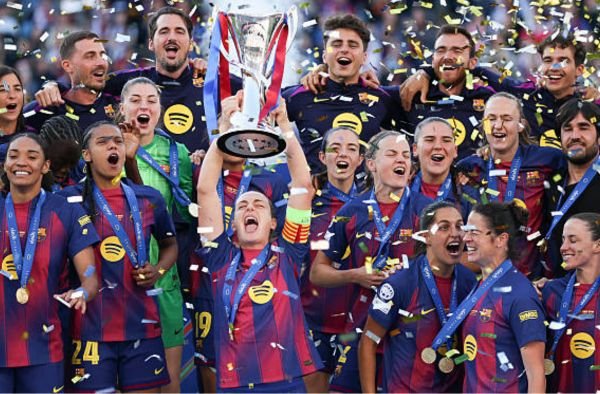
The season culminated in a sold-out final at Oslo’s iconic Ullevaal Stadion on May 23, where Barcelona defeated Olympique Lyonnais to claim the European crown. However, the significance of the campaign extended far beyond the result on the pitch. The tournament set new benchmarks for visibility, competitiveness, and fan engagement, reinforcing its status as the premier club competition in women’s football.
UEFA revealed that more than 39.7 million viewers followed the competition before the final, while total viewership for the season is expected to exceed 44.5 million once final figures are confirmed. The numbers represent a dramatic increase from previous seasons and demonstrate the accelerating commercial growth of women’s football.
The competition was broadcast across 207 territories worldwide, ensuring unprecedented global reach. The final itself became the most accessible title match in the history of the UEFA Women’s Champions League, with 30 free-to-air broadcast partners making the showpiece event available to millions of fans without subscription barriers.
The expanded accessibility reflects UEFA’s long-term strategy of increasing exposure for women’s football and attracting new audiences in both established and emerging markets.
Beyond television audiences, the tournament generated remarkable engagement across digital platforms. According to UEFA’s report, video content related to the competition accumulated 947 million views throughout the season, representing a 50 percent increase compared to the previous campaign. Social media impressions climbed to 1.49 billion, a rise of 44 percent year on year, while overall engagements reached 52 million, up by 16 percent.
These figures highlight the growing influence of women’s football among younger audiences, particularly through platforms such as Instagram, TikTok, YouTube, and X. Clubs like Barcelona, Chelsea, Arsenal, Lyon, and Bayern Munich have all benefited from increasing fan interest and growing online communities centered around their women’s teams. The strong digital performance also reflects a broader trend within global sport, where women’s competitions are attracting greater commercial investment and media attention than ever before.
One of the most encouraging findings from UEFA’s report was the increased competitiveness across the tournament. Nearly half of all matches, 49 percent, were either decided by a single goal or ended in a draw, while 33 percent featured comeback victories. These numbers suggest that the gap between Europe’s traditional powerhouses and emerging contenders is gradually narrowing.
The 2025-26 season was also the first to feature UEFA’s revamped competition format, designed to provide more meaningful matches and increase opportunities for clubs from different leagues to compete against elite opposition.
The changes appear to have delivered immediate benefits, creating more dramatic contests and keeping qualification battles alive deeper into the tournament. UEFA Women’s Football Director Nadine Kessler praised both the sporting quality and the growing popularity of the competition.
“From a sporting perspective, the level has been outstanding and from a viewership perspective the competition has set a new benchmark for the women’s club game.” Kessler also highlighted the significance of the final being hosted in Norway, a country with a rich history in women’s football. “And of course, the final itself, another sold-out occasion in a historic women’s football nation like Norway, delivered everything we hoped for and more.”
On the field, Barcelona once again demonstrated why they are considered one of the strongest teams in women’s football. The Spanish giants captured another European title after overcoming Olympique Lyonnais, a club that has historically dominated the competition with a record number of championships.
Barcelona’s success reflects the club’s continued investment in women’s football and the strength of a squad featuring some of the world’s best players. The victory further cements Barcelona’s position among the modern giants of the women’s game and continues a period of sustained success that has transformed the club into a global powerhouse.
The record-breaking numbers achieved during the 2025-26 UEFA Women’s Champions League season arrive at a time when women’s football is experiencing unprecedented growth worldwide.
Major international tournaments continue to draw larger audiences, domestic leagues are attracting greater investment, and clubs across Europe are committing more resources to developing women’s teams.
UEFA’s latest figures suggest that the appetite for elite women’s club football has never been stronger. With viewership, attendance, and digital engagement all reaching new heights, the competition has established itself as a cornerstone of the global sporting calendar.
As preparations begin for next season, the challenge for UEFA and participating clubs will be maintaining this momentum. Based on the success of the 2025-26 campaign, women’s football appears well positioned to continue breaking barriers and reaching even larger audiences in the years ahead.

