

The Indian women’s hockey team returned from Auckland with more than just a trophy. Their successful campaign at the FIH Hockey Women’s Nations Cup has reignited belief within the squad and restored their place among the world’s elite teams. For veteran goalkeeper Savita Punia, the triumph represents an important turning point as India prepares for two of its biggest assignments of the year: the FIH Hockey World Cup and the Asian Games.
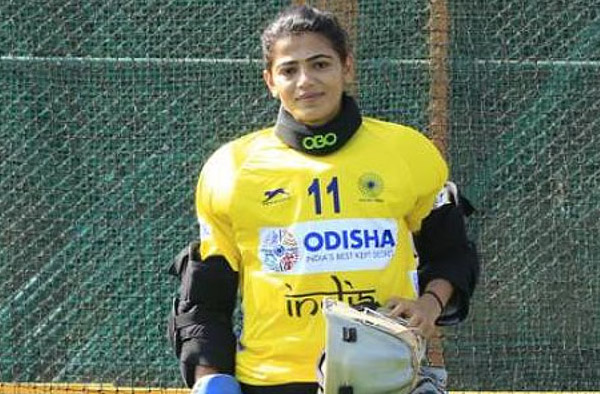
India produced a commanding performance throughout the Nations Cup, remaining unbeaten before defeating hosts New Zealand 2-0 in the final. Goals from Navneet Kaur and Sunelita Toppo sealed the title and ensured India’s return to the FIH Pro League, the premier international competition featuring the world’s top-ranked hockey nations.
The achievement was particularly significant considering India’s relegation from the Pro League after finishing at the bottom of the standings in the previous season. Their immediate return underlines the progress made under chief coach Sjoerd Marijne, who rejoined the women’s team earlier this year.
Speaking after the title-winning campaign, Savita emphasised the importance of regaining Pro League status. “This victory is crucial because if we want to compete regularly against the best teams in the world, it is important to be in the Pro League. With the World Cup and Asian Games also coming up this year, this win will definitely boost our confidence,” Savita told PTI from Auckland.
India’s victory comes at a crucial stage of the international calendar. The FIH Hockey World Cup will be jointly hosted by Belgium and the Netherlands from August 15 to 30, while the Asian Games in Aichi-Nagoya, Japan, will follow shortly from September 19 to October 4.
The Asian Games carry added importance because the gold medallist earns direct qualification to the Los Angeles 2028 Olympic Games. For India, avoiding the uncertainty of the qualification route remains a major objective. One of the defining features of India’s Nations Cup campaign was the unity displayed throughout the squad. The team blended experienced campaigners with emerging youngsters, creating an environment that allowed players to thrive under pressure.
Savita, who has been a pillar of Indian hockey for more than a decade, believes team spirit remains the foundation of success. “As the most senior and experienced player in the team, I always try to keep the group united, both on and off the field. I believe that if we stay together, we are second to none as a team.”
The veteran goalkeeper’s influence extends far beyond her performances between the posts. Having represented India in more than 300 international matches since making her debut in 2011, she has become one of the most respected figures in Indian hockey.
During her career, Savita has witnessed Indian women’s hockey evolve significantly. She was part of the squad that reached a historic fourth-place finish at the Tokyo Olympics, a result that transformed the perception of women’s hockey in the country and inspired a new generation of players. The Nations Cup title, she said, was the result of a complete team effort.
“The entire team played really well. Bichu Devi (second goalkeeper) and I support each other, which is important for the team environment. She is performing very well and I try to guide her as much as possible.”
India’s defensive strength was one of the standout features of the tournament. Alongside Savita, goalkeeper Bichu Devi and the defensive unit provided stability throughout the competition, allowing the team’s attacking players greater freedom.
Savita also reserved special praise for head coach Sjoerd Marijne, who guided India during its historic Olympic campaign and has quickly re-established a winning culture since his return.
“Coach Sjoerd Marijne was the best for us then and he remains the best now. His trust in the players, his winning mentality and his demand for high standards make this team stronger. He treats every player equally, which is very important,” Savita said.
Looking ahead, the experienced goalkeeper outlined India’s ambitions for the remainder of the season. “We will aim for a podium finish at the World Cup. Everyone is working hard. Our goal at the Asian Games will be to qualify for the Los Angeles Olympics.” While pleased with the team’s progress, Savita acknowledged that improvements are still needed if India hopes to consistently challenge the world’s leading nations.
“Our penalty corner attack is good and we need to maintain that. At the same time, we need to improve our penalty corner defence. We are playing attacking hockey, but we need better results consistently,” Savita noted.
The goalkeeper also highlighted the contributions of the support staff, crediting them for the team’s improved fitness and tactical discipline. “I have been with the Indian team for a long time and this group has a good mix of senior and young players. The support staff is excellent and everyone is working towards the same goal.”
She singled out analytical coach Matias Villa and strength and conditioning coach Wayne Lombard for special recognition. “Matias Villa plays an important role. He focuses a lot on structure and pressing, which helps improve performance. Wayne Lombard has also played a major role in improving our fitness levels.
“Along with Wayne, trainers Rodet and Ciara have done a great job. Our fitness levels have improved significantly since they joined. We are constantly working on fitness and rehabilitation.
The arrival of drag-flick specialist coach Taeke Taekema has also been very beneficial.”
For Savita personally, the Nations Cup triumph comes during a memorable period. The 36-year-old is set to receive the Padma Shri, India’s fourth-highest civilian honour, in recognition of her contributions to Indian sport.
“The Padma Shri ceremony is being held in two groups and fortunately my name is in the second group on June 23, which means I can receive it personally.
It is a special moment for my family, who have been waiting for this for a long time. I am happy that I could give them such a moment.” Despite the accolades and achievements, Savita remains focused on the challenges ahead. “Right now my focus is on the World Cup and Asian Games. After that, we will see how the journey unfolds.”
“I am 36 now and mental strength is very important to maintain fitness at this level. After intense training sessions, I pay a lot of attention to recovery and diet. I am also working hard on my footwork and strength.”
As India prepares for a demanding few months, Savita’s experience, leadership and determination could prove invaluable. The Nations Cup title may have secured promotion back to the Pro League, but for this ambitious Indian side, it is only the beginning of a much bigger journey.

