

In a progressive move for Indian sport, the Rugby India and GMR Sports have unveiled plans to introduce women’s franchises in Season 2 of the HSBC Rugby Premier League. The decision marks a major step toward building a more inclusive rugby ecosystem in the country and providing female athletes with a professional platform that has long been missing.
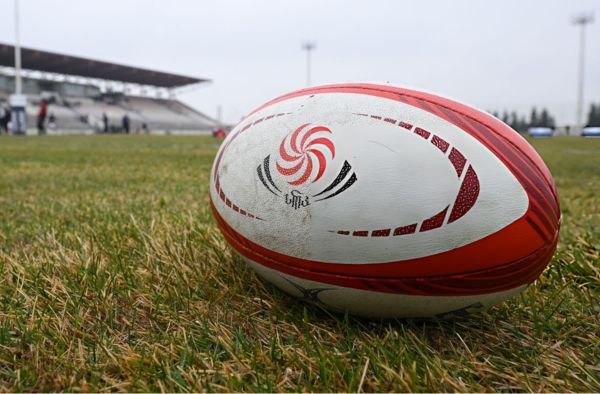
The upcoming season, scheduled from June 16 to 28 at the Gachibowli Stadium, will feature four women’s teams aligned with existing men’s franchises. These include the Chennai Bulls, Delhi Redz, Mumbai Dreamers, and Kolkata Banga Tigers. Notably, the Kolkata franchise has relocated from Bhubaneswar, reflecting a strategic reshaping of the league’s footprint as it evolves in its second year.
The introduction of women’s teams is being viewed as a natural progression after the success of the inaugural season in 2025, which was held in Mumbai and featured six men’s teams. That edition played a crucial role in increasing awareness and engagement with rugby sevens in India, a format known for its fast pace and global appeal, especially after its inclusion in the Olympics.
“League expands with focus on inclusivity” has become more than just a theme for the organisers. It reflects a broader shift in Indian sport, where governing bodies are increasingly investing in women’s competitions to mirror global trends. Women’s rugby, in particular, has seen significant growth worldwide, with rising participation numbers and increased visibility through international tournaments such as the Rugby World Cup Sevens and Olympic Games.
Rahul Bose, President of Rugby India, emphasised that the addition of a women’s competition has been a long term objective. He pointed out that the initiative is not only about representation but also about creating a structured pathway for athletes to transition from grassroots to elite levels. According to him, the upcoming season will highlight the capabilities of Indian women players and offer them the exposure needed to compete internationally.
From a commercial and strategic standpoint, the move aligns with GMR Sports’ broader vision. Sujoy Ganguly, Chief Marketing Officer at GMR Sports, noted that expanding the league to include women’s teams is part of an effort to build a more inclusive sporting product while also enhancing the competitive quality of the tournament. The integration of women’s franchises is expected to attract new audiences, sponsors, and stakeholders to the league.
The player draft and auction for Season 2 will take place on April 30 in Hyderabad, featuring selections for both men’s and women’s squads. Franchises such as Hyderabad Heroes and Bengaluru Bravehearts will also participate, indicating that the league continues to maintain its multi city identity while scaling up its operations.
Beyond the immediate excitement of a new season, the inclusion of women’s teams carries long term implications for the sport in India. Rugby, though still developing compared to cricket and football, has been steadily building a base through school programs, state associations, and international exposure. The addition of a professional women’s league layer strengthens this pipeline, offering young players a tangible goal and career pathway.
Globally, the growth of women’s sport has shown that visibility and investment are key drivers of success. Leagues that provide consistent competition and storytelling opportunities help create role models and inspire participation at the grassroots level. The Rugby Premier League’s expansion appears to be taking cues from these successful models.
As Season 2 approaches, the focus will not only be on the matches but also on how effectively the league can integrate and promote its women’s competition. If executed well, this initiative could serve as a turning point for rugby in India, accelerating its growth and ensuring that the sport becomes more accessible and inclusive for the next generation of athletes.

