

Women’s football has spent decades asking for space. Today, it is asking for something entirely different: how to manage growth. The release of the 2026-27 Women’s Super League (WSL) fixtures is more than the unveiling of another football calendar. It marks the beginning of the league’s boldest chapter yet, one that reflects how far the women’s game has come and how much further it can still go.
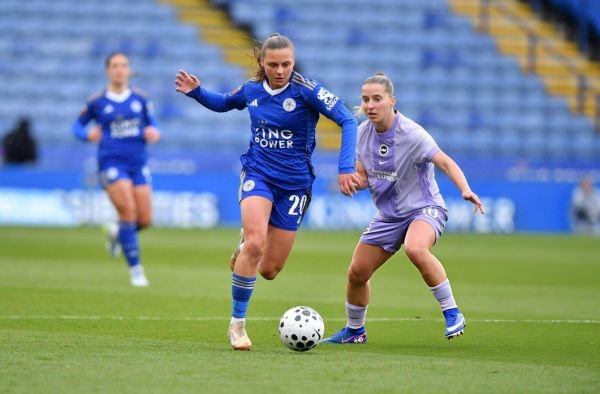
The new season, beginning on September 4, arrives with historic significance. For the first time, the Women’s Super League expands from 12 to 14 teams, adding nearly 50 extra fixtures across the campaign. The increase is not simply an administrative decision. It is recognition that the women’s game has developed the competitive depth, commercial appeal and fan following necessary to sustain a larger, more demanding competition.
The opening fixture itself symbolises that ambition. Newly promoted London City Lionesses will host Manchester United, with fans eagerly awaiting the possible debut of two-time Ballon d’Or winner Alexia Putellas following her move from Barcelona. The arrival of one of the greatest footballers of her generation underlines the WSL’s growing ability to attract world-class talent, a trend that has accelerated over recent years.
The league has steadily transformed into one of the most competitive destinations in women’s football. Arsenal’s UEFA Women’s Champions League triumph in 2025, Chelsea’s domestic dominance under Sonia Bompastor, Manchester City’s consistency and Manchester United’s emergence as title challengers have collectively elevated the league’s global profile. According to Deloitte, revenues generated by elite women’s sports are projected to surpass $2.35 billion globally, with football accounting for the largest share of that growth through increasing broadcast rights, sponsorship and matchday revenues. The WSL sits at the centre of that commercial expansion.
Yet what makes this season particularly important is not merely the quality at the top. It is the widening of opportunity.
Birmingham City, Crystal Palace and Charlton Athletic all enter the top flight after promotion, offering fresh stories, new fan bases and greater regional representation. Expansion creates pathways not only for clubs but also for players, coaches and support staff, strengthening the overall football ecosystem. A larger league means more professional contracts, more academy graduates breaking through and more visibility for domestic talent.
Importantly, the WSL has also demonstrated that listening to supporters is becoming part of its identity. Last season’s unpopular Saturday lunchtime kick-offs often created travel difficulties for away fans while overlapping fixtures reduced television audiences. This year, the league has responded. “In response to feedback from fans and clubs, WSL Football has worked in collaboration with Sky Sports and the BBC to find more broadcast slots that balance broadcast windows with the need to drive match attendance.”
“This season there will be greater flexibility with fixtures across game weekends with less matches kicking off at the same time.” Such decisions may appear logistical, but they reflect a broader shift in how women’s football is being managed. Supporters are no longer viewed as passive consumers. Their matchday experience is increasingly shaping scheduling and broadcasting decisions, mirroring the standards expected in the men’s game.
The calendar also carries additional weight because it leads directly into the 2027 FIFA Women’s World Cup in Brazil. The WSL season concludes on May 23, leaving just one month before the tournament begins on June 24. For many players, domestic performances will determine international selection, while clubs must carefully balance workloads to avoid burnout ahead of the biggest competition in women’s football.
England-based clubs have become central to the international game. During the 2023 FIFA Women’s World Cup, the English league supplied 104 players, more than any other domestic competition. Chelsea, Arsenal and Manchester City ranked among the clubs with the highest player representation at the tournament, highlighting the league’s growing influence on global football. FIFA has also reported record-breaking audiences and commercial interest in the women’s game following the success of the 2023 World Cup, reinforcing the sport’s rapid upward trajectory.
The return of automatic relegation also restores competitive jeopardy. Unlike last season’s temporary format, the team finishing bottom will now drop directly to the second division, while another will face a promotion play-off. Every point, therefore, carries greater significance from September until May.
But perhaps the biggest story lies beyond fixtures and formats. Women’s football is no longer measured by comparisons with the men’s game. It is creating its own identity through competitive balance, global stars, engaged supporters and steadily improving commercial sustainability. The WSL’s expansion is evidence that investment in women’s sport is beginning to match audience demand rather than simply reacting to it.
There will undoubtedly be title races, derby drama and breakout stars over the coming months. Yet the league’s greatest achievement may be less tangible. Every additional fixture, every sold-out stadium and every young girl watching Alexia Putellas, Alessia Russo or Lauren James represents another step towards making elite women’s football feel ordinary rather than exceptional.

