

India’s hopes of a title at the Australian Open Super 500 came to an end on Saturday as PV Sindhu suffered a straight-games defeat against Japan’s Akane Yamaguchi in the women’s singles semi-finals in Sydney. Despite producing moments of brilliance and pushing the world No. 3 in a fiercely contested opening game, the two-time Olympic medallist was unable to sustain the momentum as Yamaguchi secured a 22-20, 21-12 victory to advance to the final.
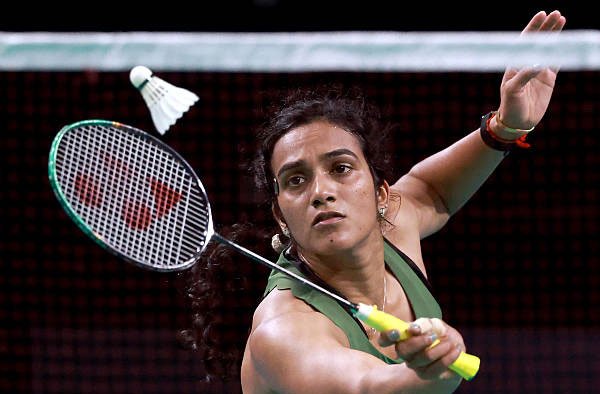
The defeat marked the end of India’s campaign at the tournament, with Sindhu being the country’s sole remaining representative in the semi-finals. While the result denied the Indian star a place in her first final of the 2026 season, her run to the last four highlighted encouraging signs in a year that has seen her gradually regain consistency on the BWF World Tour. This was Sindhu’s second semi-final appearance of the season after reaching the final four of the Malaysia Open Super 1000 earlier this year.
The highly anticipated clash was the 29th meeting between two of women’s badminton’s most accomplished players. Sindhu entered the contest with a narrow 15-13 advantage in their head-to-head record, but Yamaguchi’s victory reduced the gap to 15-14 and further strengthened her recent dominance in the rivalry.
The opening game showcased the best of both players. Sindhu began confidently, using her height and attacking reach to dictate rallies and put pressure on the Japanese star. Her aggressive approach paid dividends as she carried an 11-9 lead into the mid-game interval.
At that stage, the Indian appeared on course to take control of the match. However, Yamaguchi’s trademark speed, defensive resilience, and ability to extend rallies gradually shifted the momentum. After the interval, Sindhu struggled to maintain her accuracy and rhythm. A series of unforced errors allowed Yamaguchi to collect six consecutive points and move ahead. Yet the Indian refused to surrender. She fought back impressively, narrowing the gap and eventually forcing the opening game into extra points.
The crucial moments, however, belonged to Yamaguchi. Displaying the composure that has made her one of the most successful players of her generation, the Japanese shuttler edged the game 22-20 and seized a significant psychological advantage.
Losing such a closely contested first game proved costly for Sindhu. Yamaguchi entered the second game with renewed confidence and immediately increased the pace of the contest. Her court coverage and ability to retrieve seemingly impossible shots forced Sindhu into longer rallies, leading to further mistakes from the Indian’s racket. While Sindhu searched for openings and attempted to launch another comeback, Yamaguchi remained firmly in control. The Japanese star consistently targeted the corners, varied her angles, and prevented Sindhu from finding any sustained momentum.
The second game quickly became a one-sided affair as Yamaguchi surged ahead. Sindhu struggled to recover from the disappointment of the opening game and eventually went down 21-12, bringing an end to the 43-minute contest. Although the loss was disappointing, Sindhu can take positives from her overall performance in Sydney.
The former world champion entered the tournament looking to build confidence after an inconsistent period on tour and produced several impressive displays. Her most dominant performance came in the quarter-finals, where she brushed aside Chinese Taipei’s Chen Su Yu 21-6, 21-9 in just 27 minutes to secure her place in the semi-finals. Earlier in the tournament, she also registered victories over fellow Indian Isharani Baruah and progressed comfortably through the draw.
The Australian Open campaign also reflected Sindhu’s gradual return to form after battling injuries and fluctuating results over the past two seasons. At 30, she continues to remain India’s leading women’s singles player and one of the most experienced competitors on the international circuit.
For Yamaguchi, the victory reinforced her status as one of the favourites for the title. The three-time world champion delivered a clinical performance under pressure and once again demonstrated why she remains among the elite players in women’s badminton.
For Sindhu, attention will now turn to the upcoming events on the BWF calendar, including preparations for the World Championships later this season. While the search for her first title of 2026 continues, her semi-final finish in Sydney offers evidence that she is steadily moving in the right direction.
India may leave Australia without a trophy, but Sindhu’s fighting display against one of the world’s best players serves as a reminder that she remains capable of competing deep into major tournaments. The challenge now will be converting those promising runs into championship victories as the season progresses.

